
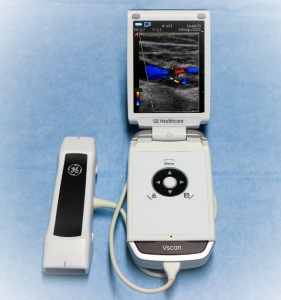
Pocket-sized ultrasound helps screen stroke patients
When stroke patients are admitted to hospital, the main arteries in the neck are checked for blockages as this is a major cause for blood-clots and stroke. Today, these examinations are done using time-consuming and costly procedures. At NTNU, we have found that using a…
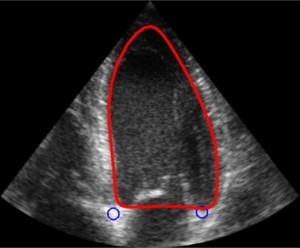
Ultrasound automation simplifies detection of heart failure
Using an application developed at NTNU, helps physicians detect more patients with reduced heart function when assessing heart pump function in patients with suspected heart failure using ultrasound. Heart failure is a common disease among the elderly. Increased use of ultrasound of the heart or…
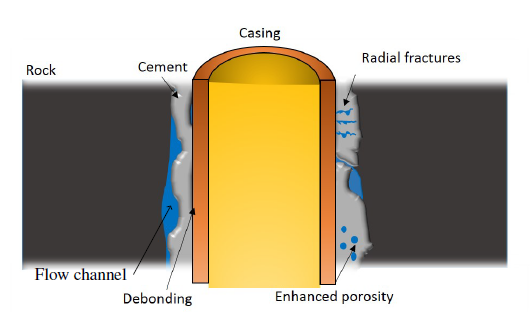
Ultrasonic cement evaluation in oil and gas wells
The task of evaluating cement jobs conducted in oil and gas wells is important e.g. to guarantee the safety during production and that no oil or gas is leaking to the surroundings. One method used for this evaluation is the ultrasonic pitch-catch technique, which involves…
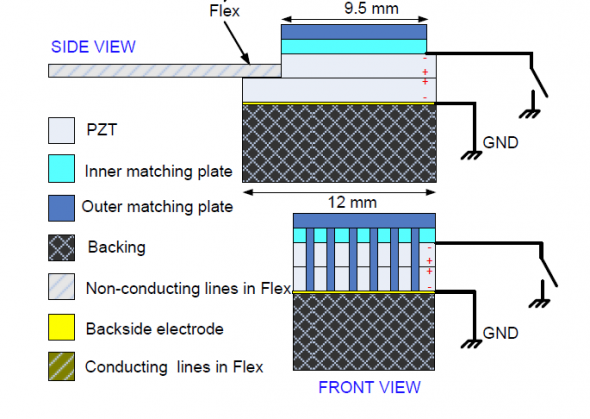
One probe, two frequencies – numerical optimization of dual-frequency transducers
At the heart of any ultrasound system, lies the transducer. The transducer is used for applications ranging from creating images of foetuses and disintegrating kidney stones (lithotripsy), to detecting cracks in gas pipes. Without it, the world at large would be a different place. See…
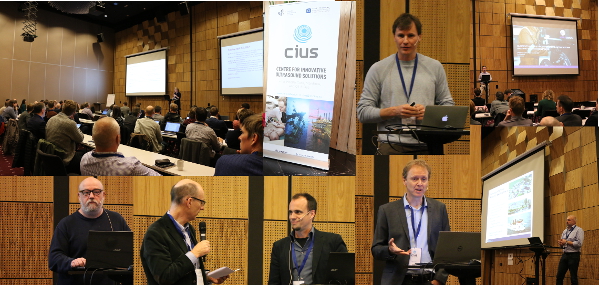
Ultrasound – a cross-sector solution
Cracks, unevenness, leakages, or speed and direction of liquid flows in vessels or pipes, hearts or pumps, are challenges faced by people in healthcare, oil & gas and the maritime sector. At the Centre for Innovative Ultrasound Solutions (CIUS), we work on improving ultrasound technology…
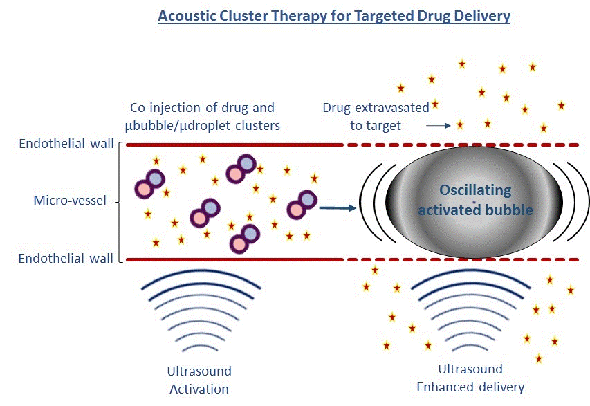
Microbubbles and focused ultrasound cure tumours in mice
A prerequisite for successful chemotherapy is that the drugs reach its target, and that damage to healthy tissue is limited. However, when drugs are injected into the blood, less than 1% of the drugs accumulate in tumours. Microbubbles combined with focused ultrasound shows great promise…
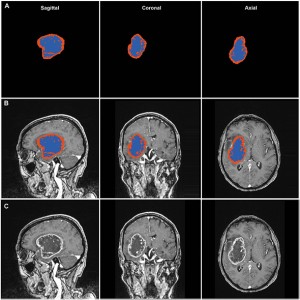
Can the growth rate of brain tumours help predict survival?
Glioblastomas are tumours that originate from brain tissue. It is both the most common and most aggressive type of brain tumour. The median survival at group level is only 10 months for glioblastoma patients in Norway, but it is difficult to predict how long an…
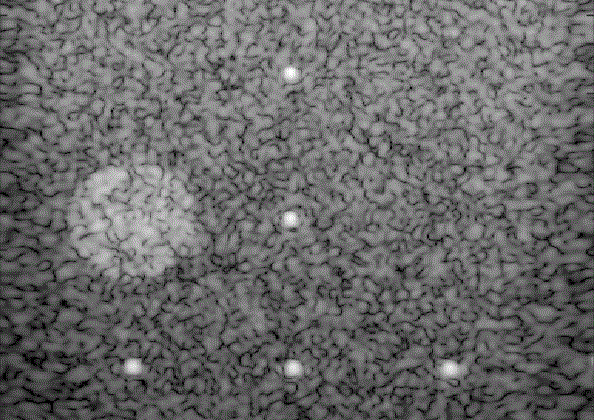
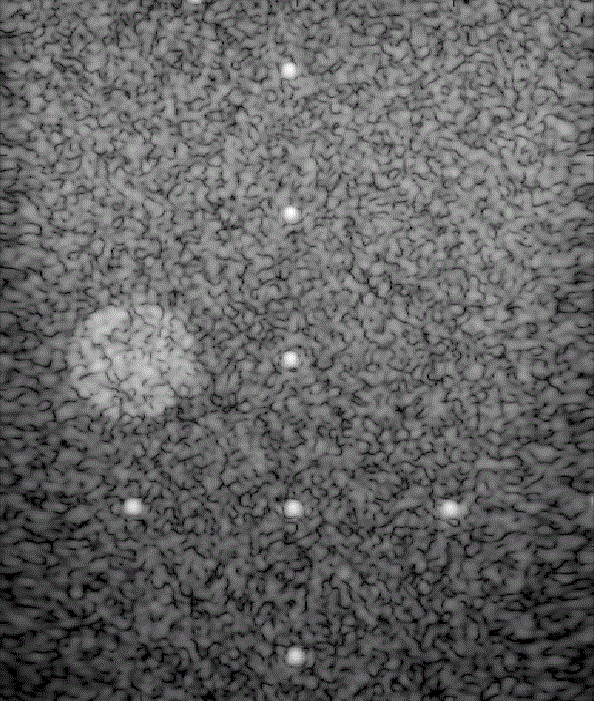
Beamforming – An international challenge
A revolt is being stirred up in the beamforming world, and CIUS is among the insurgents. For the first time in history a beamforming challenge was organized in the field of Medical Ultrasonics. “What is beamforming?”, I hear you say. Beamforming is what bats do….
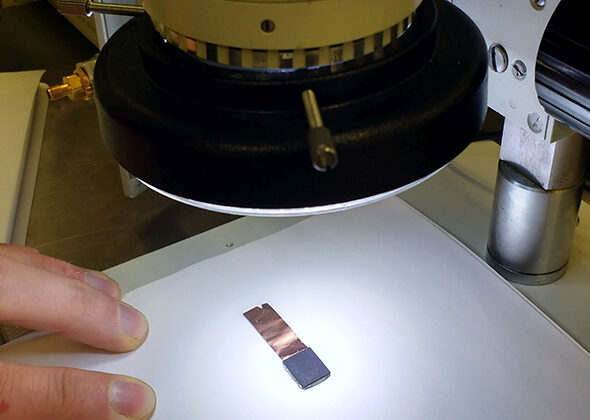
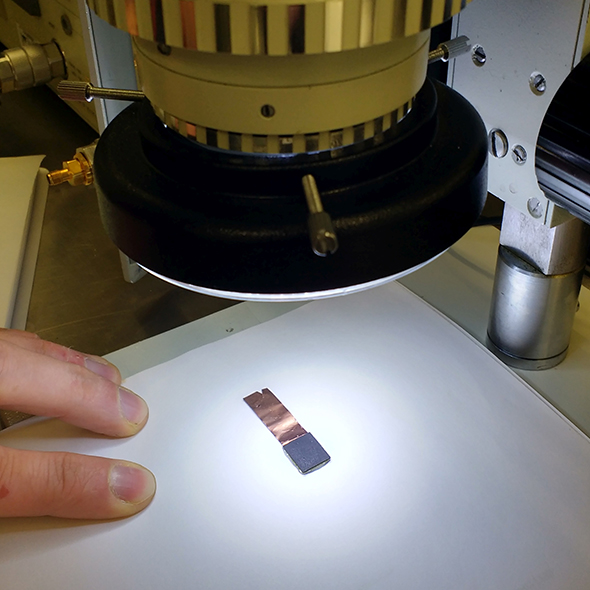
Improvements in ultrasound transducer design and manufacturing
All ultrasound technologies in health care, maritime, and oil & gas make use ultrasonic transducers. For this reason, transducer design is a key research task of the Centre for Innovative Ultrasound Solutions (CIUS). Ultrasonic transducers are devices that convert electrical signals into mechanical vibrations and…

Exploiting nonlinear distortion to switch from black and white to colour in underwater acoustic imaging
When ultrasound propagates through water nonlinear effects come into play and distort the signal originally transmitted (Figure 1). The effect of this distortion can be seen as a transfer of energy around what is called “harmonic frequencies”. For example if the signal originally transmitted has…